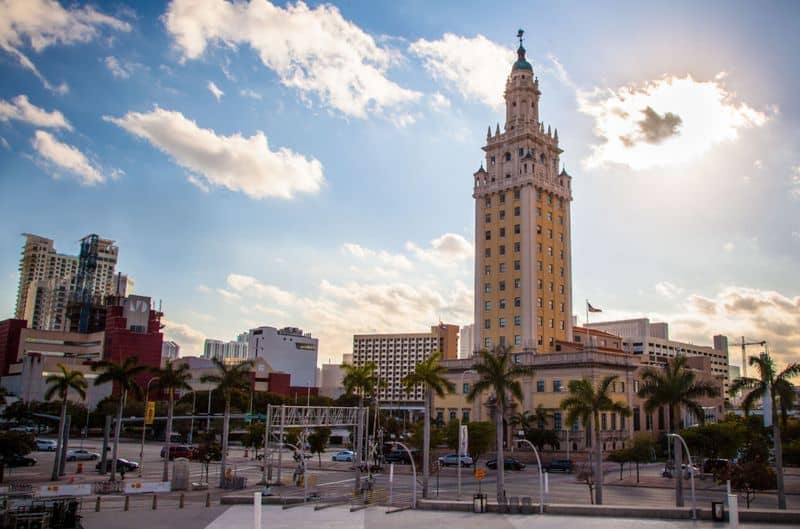
Freedom Tower
This Mediterranean Revival structure served as the processing center for Cuban refugees in the 1960s and currently houses contemporary art exhibitions.
View from the north side to appreciate the ornate tower details.

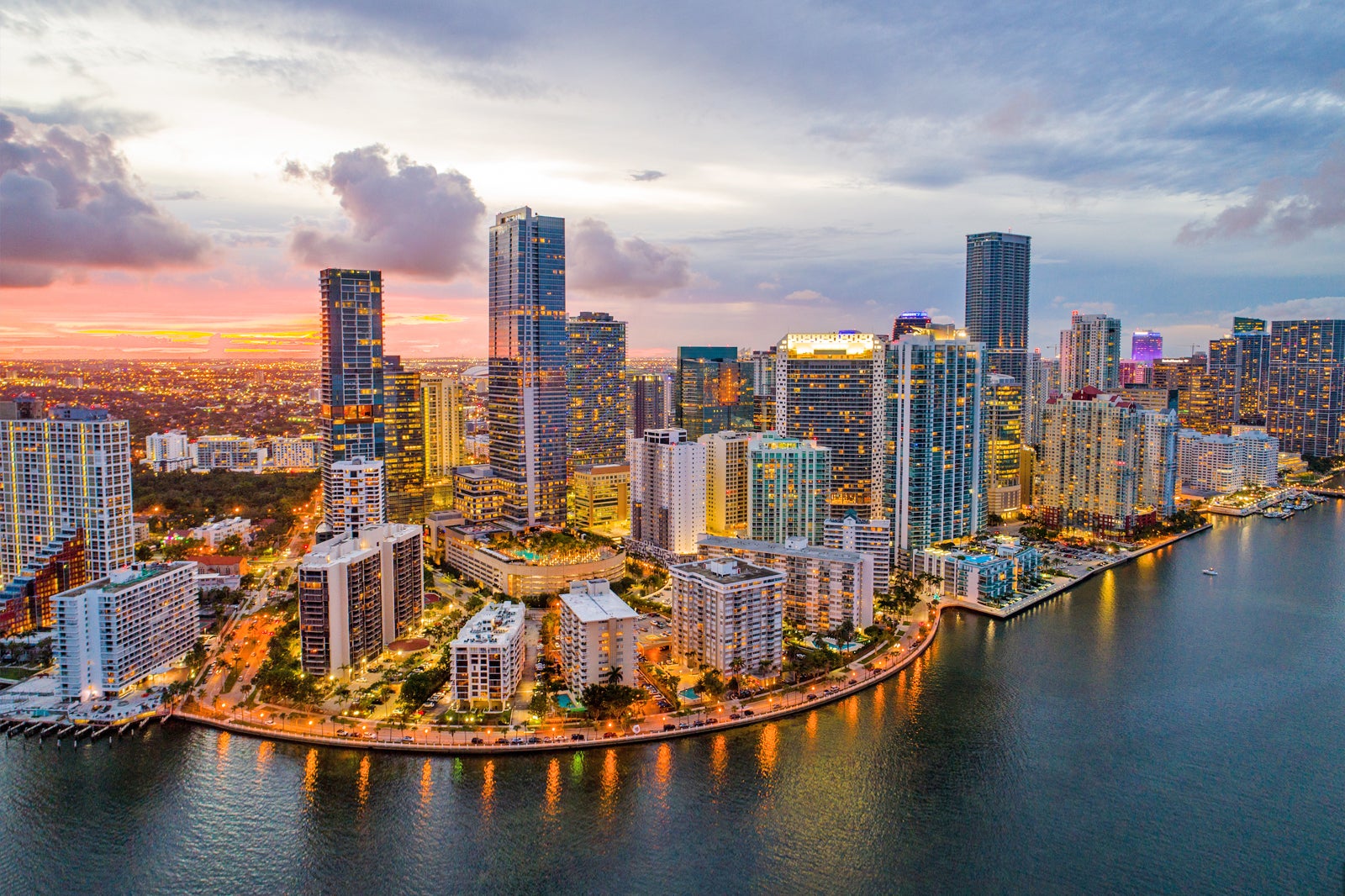
Downtown Miami's pedestrian grid connects Biscayne Bay waterfront to inland plazas across roughly two square miles. The district is accessible 24 hours daily, though most shops and museums align with standard business schedules. This guide covers route planning, landmark clusters and practical logistics for exploring on foot.
Quick answer
A downtown Miami walking tour is free to undertake year-round, with public streets and parks accessible 24 hours daily. Most visitors walk between 08:00 and 18:00 when architectural details are visible and cafes operate. Self-guided routes typically span 2 to 4 miles depending on chosen landmarks, with no admission fees for outdoor exploration of Bayfront Park, the Miami Riverwalk or Brickell Avenue's financial corridor.
The Metromover elevated rail casts geometric shadows across Flagler Street every eight minutes, a rhythmic reminder that downtown Miami rebuilt itself vertically in three distinct waves. What travelers walk today is a district layered across a 1920s street grid, 1980s banking boom and post-2000 residential conversion, each era leaving its signature in building materials and sidewalk width. Self-guided walking in Miami's core operates differently than older American downtowns. The district prioritizes east-west corridors that channel foot traffic from Brickell's glass towers toward Biscayne Bay, with Flagler Street and the Miami Riverwalk forming the primary pedestrian spines. Between these axes lie pocket parks, federal-era courthouses and the bayfront promenade where cruise terminals meet public greenspace. The Financial District's skyscraper corridor runs perpendicular along Brickell Avenue, where mid-century bank headquarters now anchor mixed-use complexes. Visitors navigating these arteries encounter climate-controlled skybridge networks that minimize street-level walking during afternoon heat. Route design hinges on landmark density versus sun exposure. A compact northern loop covers Bayfront Park, the Freedom Tower and Bayside Marketplace within 1.5 miles, clustering Art Deco survivors and waterfront views. Southern extensions into Brickell add 2 miles but incorporate the Riverwalk's continuous pathway and modernist architecture that defines Miami's skyline in global imagery. The district's flat topography eliminates elevation challenges, though crosswalk timing and block length require attention during midday traffic peaks. Most self-guided itineraries leave museum interiors and Pérez Art Museum Miami for separate visits, using the downtown walk to establish spatial relationships before committing to indoor hours. Morning departures before 10:00 offer cooler pavement temperatures and softer light for photographing building facades, while late-afternoon routes between 16:00 and 18:00 capture bay reflections as office workers populate sidewalk cafes. The absence of entrance fees means walkers control their own pace, pausing for iced cortados in Mary Brickell Village or extending routes along the Underline's southern greenway when time and energy permit.
“What travelers walk today is a district layered across a 1920s street grid, 1980s banking boom and post-2000 residential conversion, each era leaving its signature in building materials and sidewalk width.”
The best arrival window for your walking tour is between 08:00 and 18:00. This timeframe ensures optimal visibility for architectural details and aligns with the operational hours of local businesses.
—
Early arrivals avoid the midday heat and heavy pedestrian traffic.
Cooler, dry weather (65°F–80°F)
The winter and spring seasons offer the most comfortable temperatures for walking.
Humid and hot (80°F–90°F)
Plan for frequent indoor breaks to manage the high heat and potential afternoon rain.
—
Downtown experiences more activity during weekend events and local markets.
Verdict: For the most pleasant experience, plan your arrival between 08:00 and 18:00 during the months of November through April.
Downtown Miami streets and public areas remain accessible at all times. While the area is open daily, local services typically follow standard business hours.
This route suits first-time visitors seeking a mix of waterfront views, architectural landmarks, and historical context. Budget 2.5–3 hours at a moderate pace with short stops.
Begin at the waterfront green space along Biscayne Boulevard, where public art and open lawns frame views of the bay. Walk north toward the amphitheater.
Head northwest on Biscayne Boulevard to reach this 1925 Mediterranean Revival landmark, now a museum chronicling immigration history. Exterior photos take 10 minutes; interior visits require separate planning.
Turn west onto Flagler Street, the historic commercial spine lined with early 20th-century facades and local shops. Pause at the Alfred I. duPont Building to see its Art Deco lobby.
Continue west to NW 1st Avenue to view the 1928 neoclassical courthouse with its grand rotunda and original murals. Public access during weekday business hours only.
Walk south to the Miami River and cross into Lummus Park, the city's oldest public park, where shade trees and riverside benches offer a quiet finish. The route covers roughly 2 miles total.
Downtown Miami is centrally located and accessible via various public and private transportation methods. The most efficient approach is utilizing the free Metromover system which circles the district.
Metrorail to Government Center Station
Metromover Inner Loop to Knight Center Station
I-95 to Downtown Miami exits
Ride-share or taxi to 33131
Arriving by Metrorail at Government Center allows for an immediate transfer to the free Metromover. If driving, public parking garages are located throughout the area, though street parking is limited.
Downtown Miami features a mix of historical architecture and modern urban development. These landmarks provide context for the area's growth and cultural evolution.
This Mediterranean Revival structure served as the processing center for Cuban refugees in the 1960s and currently houses contemporary art exhibitions.
View from the north side to appreciate the ornate tower details.
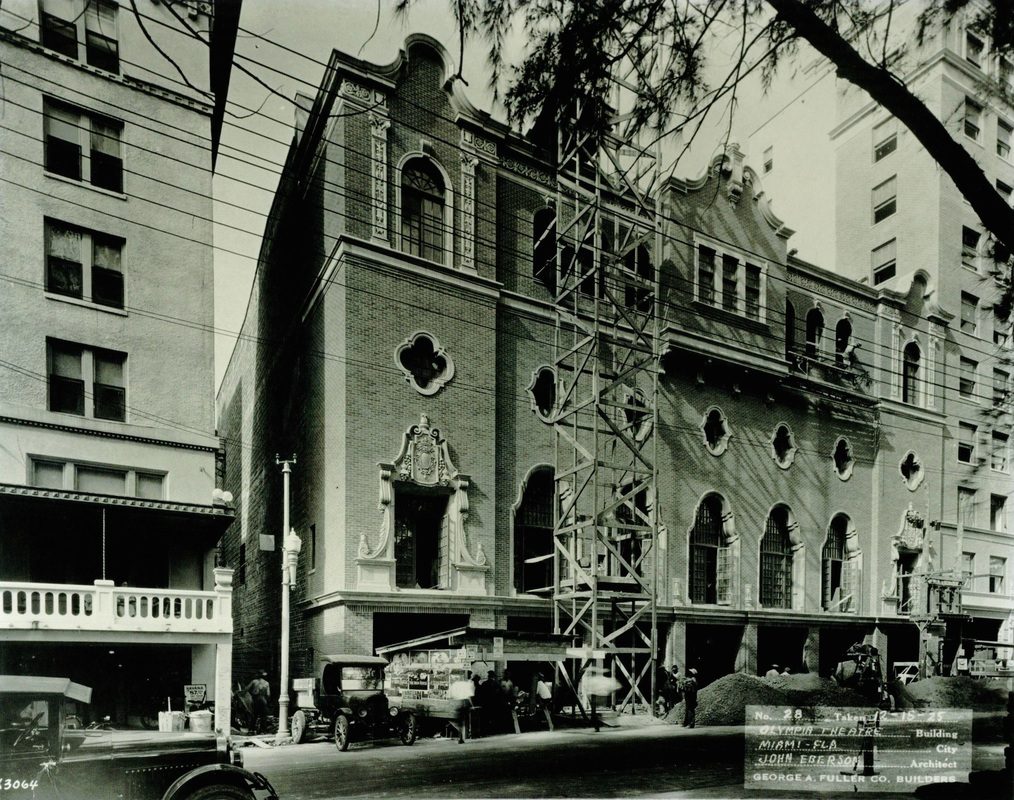
Now known as the Olympia Theater, this 1926 building features atmospheric Mediterranean architecture with a ceiling designed to mimic a starry night sky.
Check the facade after dusk when the marquee lights illuminate the street.
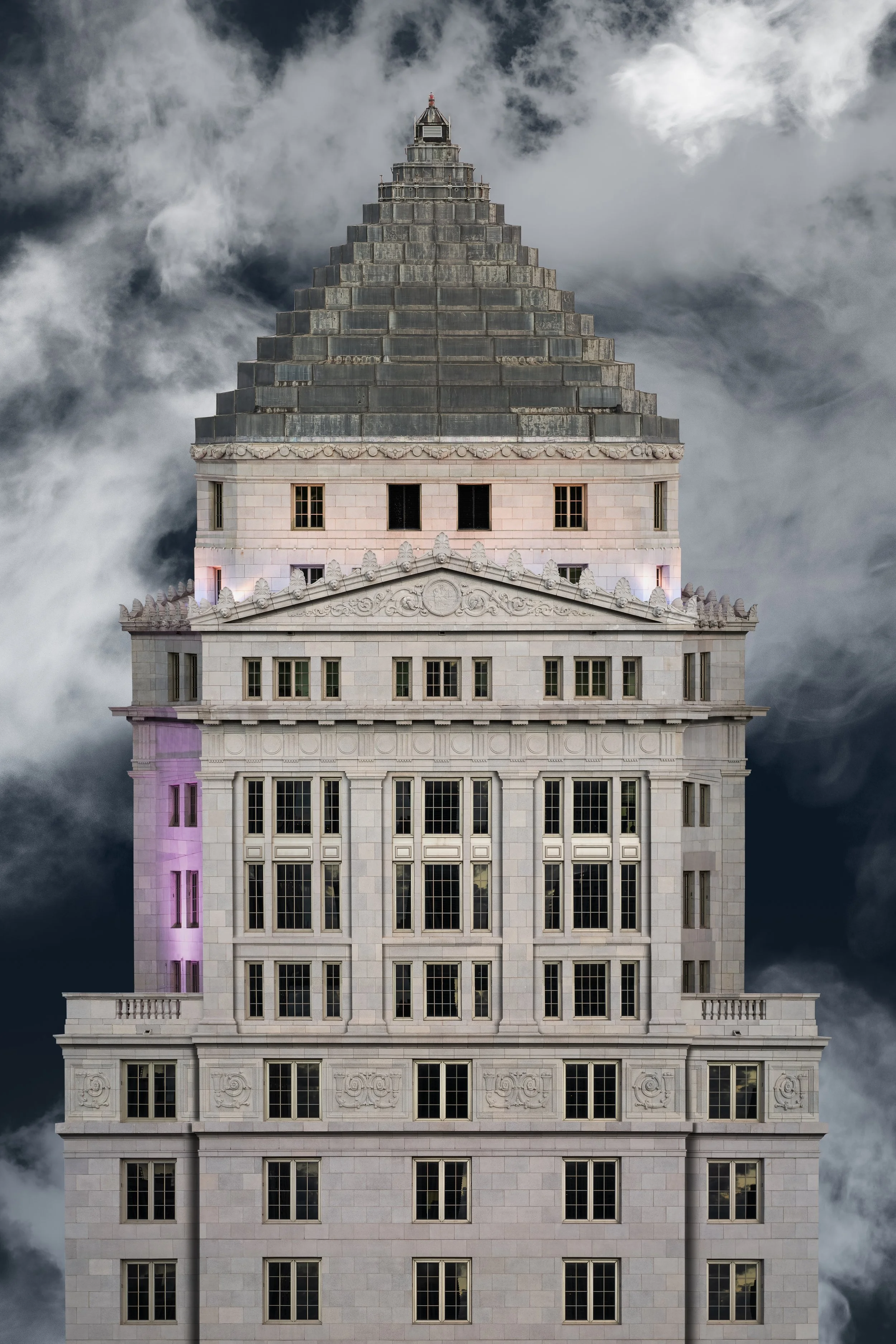
Completed in 1928, this building is listed on the National Register of Historic Places and showcases a distinctive ziggurat-style pyramid roof.
Observe the limestone carvings on the exterior walls at eye level.
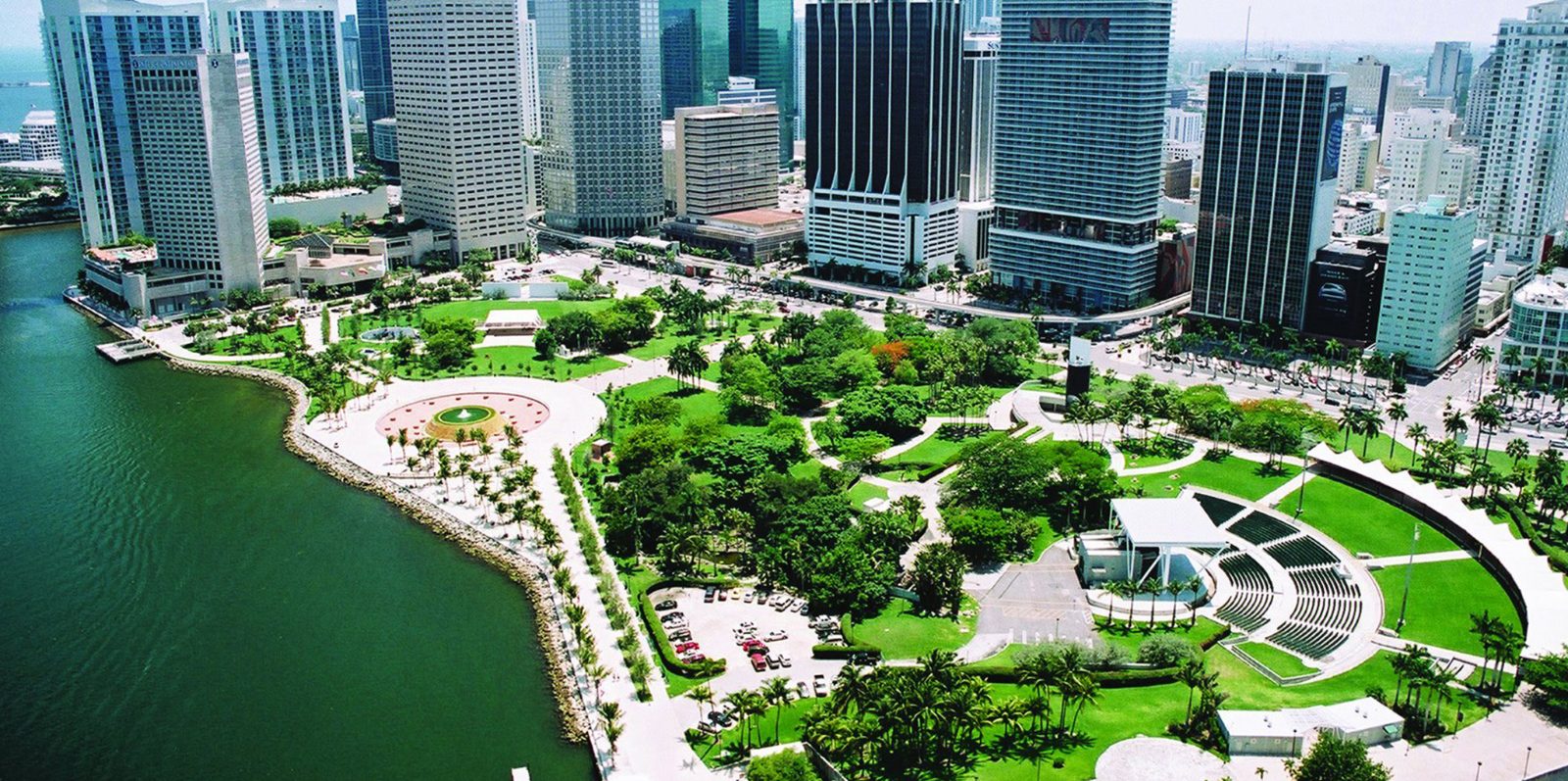
This 32-acre public space offers expansive views of Biscayne Bay and features several monuments, including the Challenger Memorial and the Pepper Fountain.
Walk to the bay edge for a clear view of the skyline.
Everything you need to know about downtown miami walking tour
A self-guided exploration of the area is entirely free, as public streets and parks do not charge an entrance fee. You will only encounter costs if you choose to stop at private shops, cafes, or paid attractions along your route.
The best arrival window is between 08:00 and 18:00 to ensure high visibility for historic facades and landmarks. Visiting during these hours also guarantees that most local shops and cafes are open for a break.
Public areas are accessible every day of the week from 00:00 to 23:59. While the streets are technically open at all hours, we recommend sticking to the daylight hours mentioned for the best experience.
Most visitors find that a thorough exploration takes several hours, depending on your pace and how many architectural details or parks you wish to explore. You should plan your schedule around the best arrival window to maximize your time.
Choosing between a guided experience or a self-guided route depends on your preference for personal narration versus flexible pacing. Both options allow you to enjoy the district's urban design and historic streetscapes at your own speed.
Public sidewalks and parks in this district are generally stroller-friendly and safe for families. Keep in mind the Florida heat and ensure you have shade and hydration breaks throughout your excursion.
Comfortable footwear is essential for navigating the pavement and public plazas effectively. You should also bring sun protection, a water bottle, and a mobile device to help you navigate the various landmarks in the district.
Wynwood Street Art Tours
Read more Tickets & toursLittle Havana Walking Tours
Read more Tickets & toursSouth Beach Walking Tours
Read more GuideIs It Safe to Walk in Miami?
Read more Tickets & toursCulinary Walking Experiences
Read more Tickets & toursArt Deco Walking Tours
Read more