
English| USD
Suggested for you
More currencies
Choose a language
Miami spans 56 square miles of urban grid, waterfront promenades, and residential blocks where pedestrian safety varies sharply by district and hour. Some neighborhoods maintain consistent foot traffic and well-lit corridors around the clock, while others see activity drop after sunset. This guide maps the safety landscape so you can plan routes that match your comfort level.
Quick answer
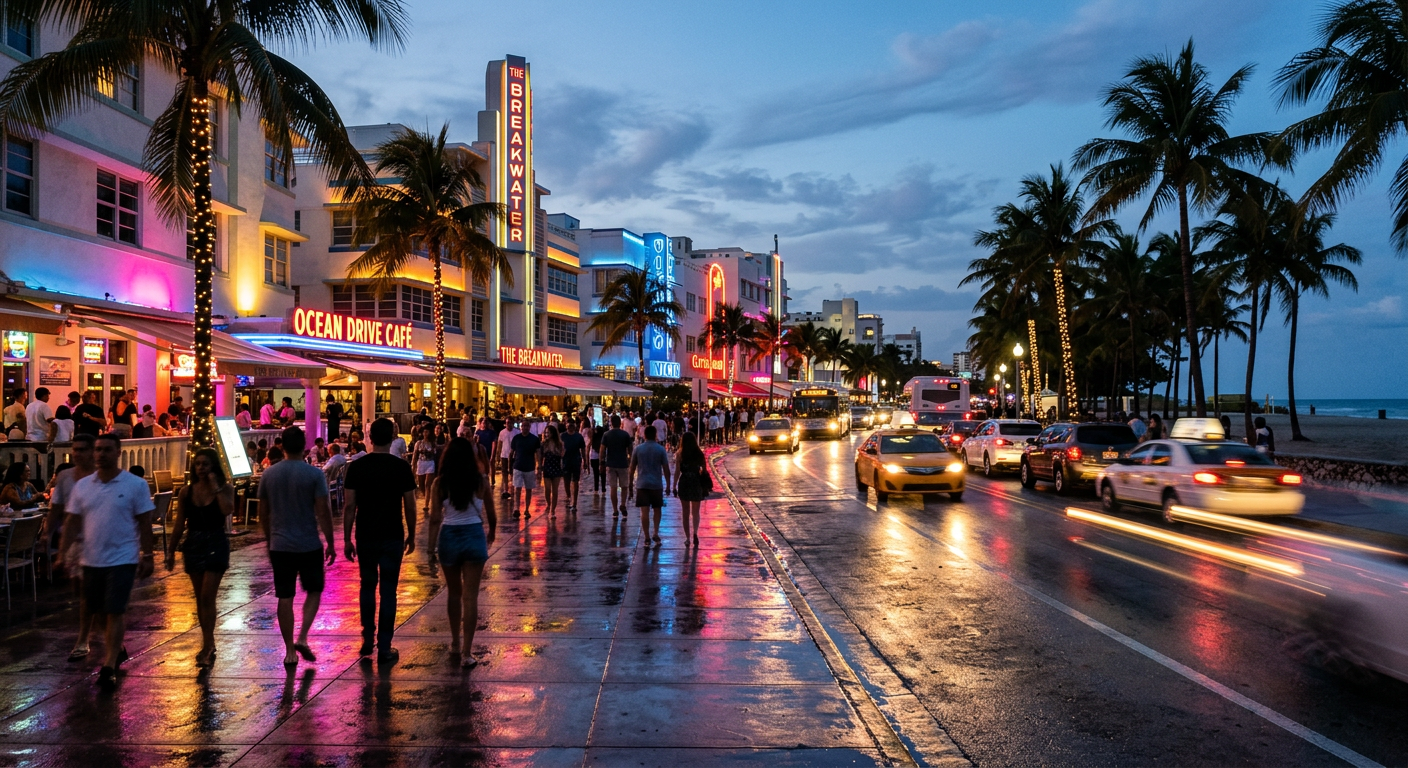
Miami is generally safe for walking during daylight hours in high-traffic districts like Brickell, Coral Gables, Coconut Grove, and Miami Beach's Ocean Drive corridor. Most incidents occur in low-traffic areas after dark or in neighborhoods with limited pedestrian infrastructure. Stick to well-populated streets between 8:00 AM and 6:00 PM, avoid isolated shortcuts, and you'll navigate the city with the same confidence locals do year-round.
Miami logs more than 15 million annual visitors, many of whom explore on foot, yet the city's pedestrian safety profile remains misunderstood. The question of whether it is safe to walk around Miami cannot be answered citywide because safety is hyperlocal. Brickell's financial corridor sees steady foot traffic until late evening, while stretches of Overtown and Liberty City lack the density and lighting that discourage opportunistic crime. Understanding these distinctions turns anxiety into informed route planning. Downtown Miami and the Design District benefit from mixed-use density, surveillance infrastructure, and active storefronts that keep sidewalks populated. Coral Gables enforces strict urban design codes that yield wide, tree-canopied sidewalks and consistent street lighting. Miami Beach's Art Deco District and Lincoln Road remain pedestrian magnets day and night, supported by visible police patrols and private security funded by Business Improvement Districts. These zones share a common safety ingredient: other people. Where foot traffic thins, risk rises, regardless of the neighborhood's reputation. Crime statistics reveal patterns rather than random exposure. Miami Police Department data shows most pedestrian incidents cluster near transit stops after 10:00 PM, in areas with poor sightlines, or along corridors lacking active ground-floor retail. Visitors who walk Miami Beach's Ocean Drive at noon face negligible risk. The same visitors cutting through unlit side streets at midnight encounter a different environment. Time of day and route selection matter more than the city's aggregate crime rate. Pedestrian infrastructure also shapes outcomes. Crosswalks with countdown timers, protected bike lanes, and continuous sidewalks reduce accident exposure, which injures more pedestrians in Miami than crime does. The Miami Riverwalk and Brickell Bay Drive offer dedicated pathways separated from vehicle traffic, eliminating the most common hazard. Neighborhoods built before modern walkability standards often force pedestrians into conflict zones where narrow sidewalks meet high-speed arterials. Local behavior provides the clearest signal. If you see parents with strollers, joggers, and dog walkers, the route has passed the resident safety test. Empty sidewalks in daylight suggest either poor connectivity or a street culture that discourages walking. Miami's safest pedestrian experiences happen where walking is already normalized, where the street is treated as public space rather than merely a transit corridor.
“Where foot traffic thins, risk rises, regardless of the neighborhood's reputation.”
Miami is a sprawling metropolis where safety is highly dependent on the specific district you are exploring. The most reliable approach for visitors is to stick to well-populated tourist corridors and utilize public transit for transitions between areas.
Metrorail to Government Center Station
Miami-Dade Transit routes serving Downtown
Well-lit corridors in Miami Beach and Downtown
App-based ride services to major transit hubs
Plan your transit between 08:00–18:00 to ensure better visibility and a higher presence of other pedestrians. Using official public transit lines helps maintain a safer, more predictable route when moving between districts.
Visitors often misjudge Miami's urban geography or let their guard down in crowded settings, increasing their exposure to theft or disorientation. Recognizing these patterns helps you navigate the city with appropriate caution.
Walking alone in unfamiliar neighborhoods after dark
Stay in well-lit, populated areas after sunset and use rideshare services for late-night travel. If you must walk, keep to main thoroughfares where other pedestrians and businesses are present.
Displaying valuables or checking phones constantly in busy areas
Keep jewelry and electronics out of sight in crowded tourist zones like Bayside or Ocean Drive. Step inside a shop or restaurant if you need to use your phone for navigation.
Assuming all Miami neighborhoods have the same safety profile
Research specific districts before walking through them; downtown, Wynwood, and Coral Gables differ significantly in pedestrian safety. Consult local guides or hotel staff about which areas to avoid on foot.
Ignoring local warnings about specific blocks or parks
Heed advice from residents and official tourism channels about areas with higher crime rates. Miami's safety landscape changes street by street, so blanket assumptions lead to poor route choices.
Walking while distracted by headphones in both ears
Maintain awareness of your surroundings by keeping one ear free or using low volume. Distracted pedestrians become easier targets and miss important environmental cues like approaching vehicles or suspicious behavior.
Preparation reduces risk and keeps you oriented in unfamiliar neighborhoods.
Everything you need to know about is it safe to walk around miami
Generally, it is safe to walk around Miami in well-populated areas during daylight hours. Visitors should maintain situational awareness and stick to busy corridors to ensure a secure experience.
Travelers often find that areas like South Beach, Coconut Grove, and Coral Gables are popular choices for those researching is it safe to walk around Miami. These districts offer high pedestrian traffic and a welcoming atmosphere for those interested in a guided Miami sightseeing route.
While many tourist-heavy zones remain active, the question of is it safe to walk around Miami after dark depends on the specific neighborhood. We recommend focusing your walking activities within the designated 08:00–18:00 arrival window to benefit from natural visibility.
To ensure your visit is safe to walk around Miami, stay aware of your surroundings and keep belongings secure. Utilizing a professional Miami walking tour guide can provide local insights and added confidence while navigating city landmarks.
Families often ask is it safe to walk around Miami with little ones, and the answer is yes, provided you plan your route in advance. Sticking to pedestrian-friendly zones during daylight hours helps maintain a relaxed environment for everyone.
A frequent error is wandering into unfamiliar, poorly lit areas away from main attractions. Focus your itinerary on central urban hubs to avoid unnecessary risks when determining is it safe to walk around Miami.
Public city streets are accessible 24/7, meaning there is no official gate or entrance fee required. However, for the best pedestrian experience and visibility, please plan your visit during daylight hours.
Wynwood Street Art Tours
Read more Tickets & toursLittle Havana Walking Tours
Read more Tickets & toursSouth Beach Walking Tours
Read more Tickets & toursCulinary Walking Experiences
Read more GuideDowntown Miami Walking Routes
Read more Tickets & toursArt Deco Walking Tours
Read more